
What is “marine-grade” 316 stainless steel? How can it prevent corrosion and boost marine reliability?
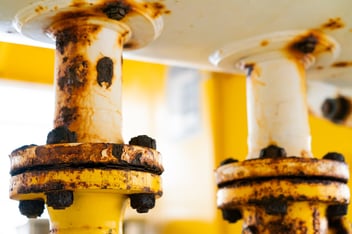
“Marine-grade” 316 stainless steel is an austenitic stainless steel that adds 2–3% molybdenum to chromium and nickel,..
Mechanical joint corrosion in saltwater marine environments is fought by combining three defences
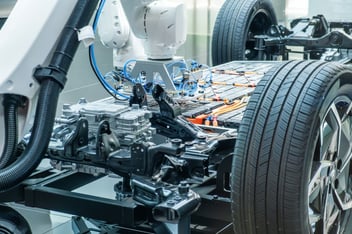
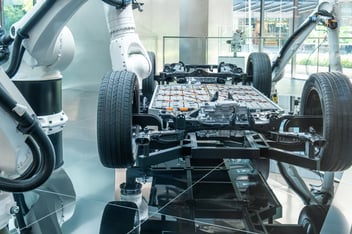
Corrosion-resistant, multi-metal joints in electric vehicles (EVs) are designed by removing the conditions galvanic..
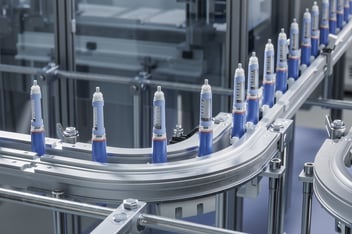
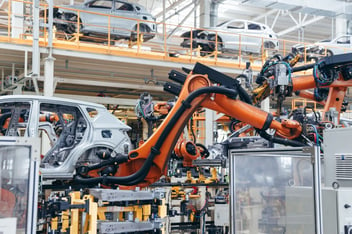
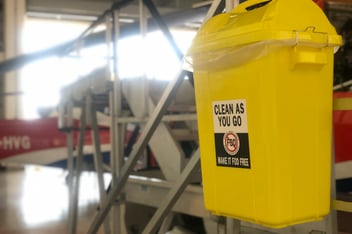
A FOD-free, automated assembly line is one in which no process step, including fastening, generates loose debris, and in..
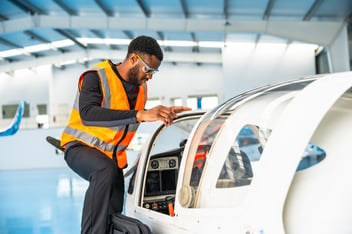
Maintenance downtime can be reduced by designing threaded assemblies that are quicker to service, less vulnerable to thread..
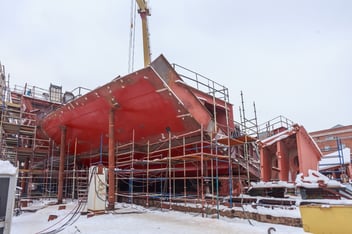
Repeatable fastening in offshore and shipyard manufacturing depends on designing threaded joints that can withstand a range..
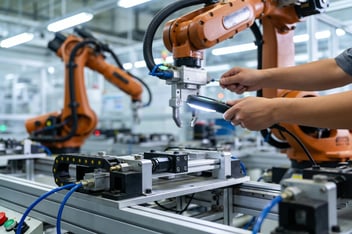
Automation has transformed modern manufacturing, enabling higher production volumes, improved quality and greater..
Production systems only deliver consistent quality when every assembly operation produces the same result, every time.
Consistency is one of the biggest challenges facing high-volume and automated manufacturing.
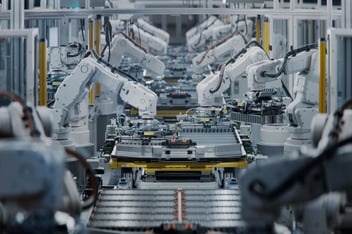
Automation is transforming manufacturing across industries, placing greater demands on fastening systems than ever before.
In high-volume assembly environments, even small fragments of debris can interrupt robotic processes, compromise sensitive..
As automation increases across automotive, electronics and marine manufacturing, even small fastening inconsistencies can..